
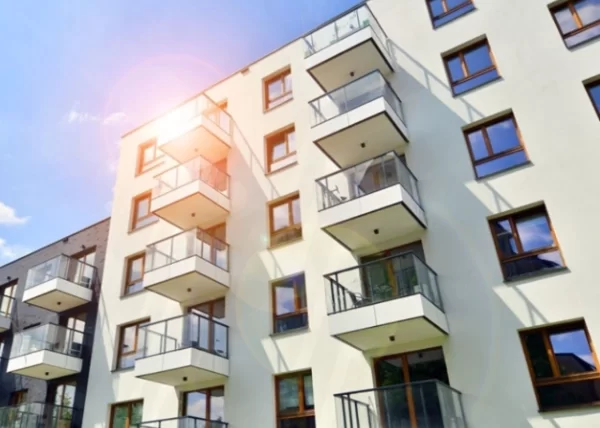
Let’s be real for a second. You drive past a freshly rendered home in Balmain or Castle Hill and think, “Bloody hell, that looks sharp.” Then you look at your own place and wince a little. Maybe the old brick’s crumbling. Maybe it’s got more cracks than a pavlova at a family barbie. Maybe it just looks… tired.
Good news: this is entirely fixable. And we’re about to walk you through exactly how.
Whether you’re Googling rendering solutions Sydney at 11pm on a Tuesday, trying to figure out the difference between acrylic and cement, or just wondering if your cracked bathroom walls can be saved — you’re in the right place. Let’s get into it.
What Is Rendering, and Why Does Every Sydney Home Need It?
Rendering is the process of applying a protective and decorative coat to walls — interior or exterior, brick or block, old or new. Think of it as a fitted suit for your building. It covers the flaws, improves the structure, and makes the whole thing look a million bucks.
Done properly by experienced cement rendering contractors in Sydney, it does far more than look pretty:
- Weatherproofing — Sydney summers are savage. Renders form a barrier against heat, moisture, and UV damage.
- Structural protection — it seals porous brick and masonry against water ingress that causes long-term damage.
- Thermal performance — the right render system can help keep interiors cooler in summer, warmer in winter.
- Kerb appeal and property value — real estate agents will tell you a freshly rendered home attracts significantly better sale prices.
- Noise reduction — particularly relevant if you’re on a busy Sydney road.
At Bill Cement Rendering, the full suite of residential and commercial rendering services is built around exactly these outcomes. Not just a coat of cement on a wall — a genuine transformation.
Types of Rendering: Which One Is Actually Right for You?
Here’s where most people get confused. You’ve heard the terms thrown around — cement render, acrylic, polystyrene, texture, foam. But what does any of it actually mean for your property?
Let’s break it down in plain English.
1. Cement Rendering — The Classic, and For Good Reason
Traditional cement rendering in Sydney uses a mix of sand, cement, and lime applied in coats to walls. It’s been used on Australian homes for over a century — and it’s still the go-to for good reason.
Why choose it?
- Rock-solid durability
- Excellent base for paint or texture finish
- Ideal for older brick homes and heritage properties
- Works across a huge range of substrates — brick, besser block, concrete
The process:
- Surface inspection and preparation — cleaning, sealing cracks, applying bonding agents where needed
- First coat (scratch coat) applied and scored to create adhesion for the next layer
- Second coat (float coat) for levelling and smoothing
- Top coat or finish applied — smooth, textured, or prepared for paint
- Curing period observed before painting or further treatment
It’s multi-step, skilled work. This is why a bloke with a YouTube tutorial and a bag of Boral isn’t the same as a licensed renderer. Trust us on this one.
2. Acrylic Rendering — The Modern Finisher
Acrylic rendering in Sydney is the sleek contemporary option. Acrylic render is a polymer-modified mix that goes on as a finish coat — it’s pre-coloured, flexible, and doesn’t need painting over.
Why choose it?
- Superior flexibility — resists cracking better than cement in areas with soil movement
- Comes in a huge range of colours — no painting required
- Water-resistant and mould-resistant finish
- Faster application and curing
If you’re doing a new build or a full exterior renovation on a modern home, acrylic rendering delivers that clean, contemporary look you see on new estates across Parramatta, Ryde, and the Hills District. It’s the finish that makes the neighbours slow down and stare.
3. Texture Rendering (Granosite) — When You Want Character
Not everyone wants a smooth, flat finish. Some Sydney homes — particularly mid-century builds or properties with broader facades — look incredible with a textured surface.
Granosite texture rendering in Sydney is a specialist render product that creates distinctive, tactile finishes. From fine sandy textures to bold stippled patterns, it adds depth and visual interest that smooth render simply can’t match.
Granosite finishes are also highly durable and weather-resistant — they’ve been used on commercial and institutional buildings in Australia for decades, which tells you something about their longevity. It’s a great choice for large feature walls, commercial facades, and architectural elements.
4. Polystyrene Rendering (Foam / EPS Cladding) — The Insulation Game-Changer
This is the one that surprises most homeowners when they learn about it.
Polystyrene rendering in Sydney — also called foam rendering, EPS cladding (Expanded Polystyrene), or foam cladding — involves attaching lightweight polystyrene panels to the exterior of a building and then rendering over them.
Why is this such a big deal?
- Dramatically improves thermal insulation — the polystyrene creates a continuous insulating envelope around the building
- Reduces energy bills (aircon and heating work less hard)
- Lightweight — no structural load added to the building
- Allows for decorative profiles, cornices, arches, and architectural features that would otherwise cost a fortune in masonry
- Perfect for feature elements, rendered columns, window surrounds, and facade detailing
The panels and cladding work offered by Bill Cement Rendering covers both EPS systems and architectural panel installations — a genuinely modern approach to exterior design that’s now mainstream on Sydney new builds.
5. Plastering — The Interior Twin of Rendering
While rendering is primarily an exterior application, wall plastering in Sydney is the indoor equivalent — and it’s equally important for that seamless, polished interior finish.
Internal plaster work covers:
- New wall and ceiling plaster on new builds
- Patching and repairs on existing plaster
- Skim coating for ultra-smooth walls ready for high-sheen paint
- Cornice installation and restoration
Good plastering is an art. You can always tell the difference between a rush job and proper craftsmanship — especially once the light hits the wall at the wrong angle. With the right crew, your interior walls become a genuinely smooth canvas.
6. Bathroom Rendering — The Wet Area Problem-Solver
Here’s something most homeowners don’t think about until things go wrong: bathrooms and wet areas need specialist rendering treatment.
Standard render is not sufficient for wet area rendering in Sydney. Bathrooms, laundries, and utility rooms need renders and coatings specifically formulated for constant moisture exposure.
Bathroom rendering in Sydney from Bill Cement Rendering covers:
- Full bathroom wall and floor base rendering before tiling
- Waterproof render systems behind shower walls
- Wet area preparation for new tiles
- Re-rendering of damaged or failing bathroom substrates
If you’ve got tiles cracking, grout failing, or — worst case — water seeping into cavities, the culprit is almost always inadequate substrate preparation. Getting the render right the first time prevents $10,000+ remediation bills later.
7. Swimming Pool Rendering — Because Your Pool Deserves Better
If you’ve got a concrete pool, you’ll know the render eventually ages, stains, and deteriorates. Swimming pool rendering in Sydney is a specialised service that most general renderers won’t touch — because it requires specific materials, application techniques, and knowledge of pool chemistry.
Pool rendering needs to:
- Withstand constant submersion
- Resist chlorine and salt water exposure
- Bond to a cleaned and prepared concrete shell
- Provide a smooth, comfortable surface
Done properly, a pool re-render brings a tired-looking pool back to life completely — and it costs a fraction of what a pool replacement would. Check out the finished results in the Bill Cement Rendering projects gallery to see what’s possible.
The Rendering Process — Step by Step
People often ask: what actually happens when a rendering crew shows up? Here’s the honest walkthrough.
Step 1 — Assessment and Quote A proper renderer walks the property, inspects surfaces, identifies moisture issues, substrate types, and access requirements. This isn’t just a formality — it shapes the entire approach. Get your free quote here.
Step 2 — Surface Preparation This is the step that separates good renders from great ones. Old paint is removed, loose material is cut back, cracks are filled, and surfaces are cleaned. Bonding agents or mesh reinforcement may be applied depending on the substrate.
Step 3 — Scratch Coat / Base Coat The first layer of render goes on. For cement rendering, this is scored while wet to create mechanical adhesion for subsequent coats. For polystyrene systems, mesh is embedded into the base coat.
Step 4 — Float Coat / Levelling The second coat builds thickness, levels the surface, and prepares it for finishing.
Step 5 — Finish Coat or Top Coat This is where the magic happens — whether it’s a smooth acrylic finish, a granosite texture pattern, a sponge float, or a painted surface, this coat defines the final look.
Step 6 — Curing and Inspection Render needs time to cure properly — rushing this stage causes cracking and adhesion failure. Good contractors schedule this properly. A final inspection is done, and any minor corrections are made before handover.
Industrial and Commercial Rendering in Sydney — It’s a Different Beast
Residential projects and industrial rendering in Sydney are not the same game. Commercial facades, industrial buildings, warehouses, retail fit-outs — these require larger crews, equipment, scheduling around business operations, and often specialist materials.
Bill Cement Rendering handles commercial and industrial rendering services across Sydney, with project management that actually keeps to a schedule. Because in commercial work, time genuinely is money.
From concrete tilt-up panels needing a decorative finish, to retail shopfronts needing a complete exterior overhaul before a relaunch, to multi-storey residential developments needing consistent texture across hundreds of square metres — it’s all in the toolkit.
Why Half of DIY Renders Fail (And How to Avoid It)
Let’s talk about the elephant in the room. Every few months, someone attempts a DIY render, watches some tutorials, buys premix from the hardware store, and applies it on a hot Sydney afternoon. Six months later they’re calling a professional to fix it.
Here’s what goes wrong:
Wrong mix ratios — cement render is not forgiving. Too much water weakens the mix. Too little makes it unworkable. Getting this consistently right takes experience.
Skipping surface prep — applying render over a dirty, painted, or unstable surface guarantees delamination. The render looks fine for 3–6 months, then starts popping off in sheets.
Applying in the wrong conditions — direct sun, high winds, or low temperatures all affect how render cures. Professional renderers plan their day around weather. Most DIYers don’t.
Using the wrong product — standard cement render on a wet area, or a single-coat system where a multi-coat is needed, will fail regardless of application skill.
Not using fibre mesh reinforcement — for EPS cladding and polystyrene renders especially, the alkali-resistant fibreglass mesh embedded in the base coat is non-negotiable. Miss this and the render will crack.
How Bill Cement Rendering Is Different
Sydney has no shortage of rendering companies. So what actually sets the good ones apart?
Here’s what to look for — and what you get with Bill Cement Rendering:
✔ Licensed and insured tradespeople — not a subcontracted crew you’ve never met before
✔ Premium materials — Granosite, acrylic systems, and quality cement blends from recognised manufacturers
✔ Full service range — from residential rendering on a Sydney terrace to a complete EPS cladding and foam render system on a new development
✔ Wet areas and pools — specialist knowledge for bathrooms, laundries, and swimming pools that most renderers won’t touch
✔ Communication and timelines — actual schedules, actual follow-through (rarer than you’d think in this industry)
✔ Free quotes — no obligation, no pressure
What Does Rendering Cost in Sydney?
Straight answer: it varies. But here are reasonable ballparks based on current Sydney market rates:
| Service | Approximate Cost |
| Standard cement rendering (per m²) | $30–$60/m² |
| Acrylic rendering (per m²) | $35–$65/m² |
| EPS/polystyrene cladding system (per m²) | $70–$120/m² |
| Granosite texture rendering (per m²) | $40–$75/m² |
| Bathroom rendering (full) | $800–$2,500+ |
| Swimming pool re-render | $3,000–$8,000+ |
| Wall plastering (per m²) | $25–$50/m² |
Prices depend on surface area, substrate condition, access requirements, and finish type. Always get a site-specific quote — flat per-m² estimates without a site inspection are largely useless.
Want an accurate quote for your specific project? Contact the team here — they’re open 7 days a week.
Frequently Asked Questions — Straight Answers Only
Can you render over existing painted surfaces? Generally no — not well, anyway. Existing paint must be removed and the surface properly prepared. Rendering over paint leads to delamination.
How long does rendering last? A properly applied cement render on a stable substrate can last 20–30+ years with minimal maintenance. Acrylic finishes often hold colour and finish for 10–15 years before needing refreshing.
Can rendering fix cracked walls? Rendering can cover and stabilise minor surface cracks. Structural cracks or moving cracks need to be assessed and addressed before rendering — the render itself is not a structural fix.
What’s the difference between rendering and plastering? Rendering is typically external (or in wet areas) — it uses a stronger cement-based mix designed for weather exposure. Plastering is internal — smoother, gypsum-based, and focused on interior finish quality.
Do I need council approval for rendering? In most cases, no — rendering is classified as maintenance or cosmetic work. However, if you’re changing the external appearance of a heritage-listed property or making structural changes, check with your local council.
Ready to Stop Looking at Those Sad Old Walls?
Look, you’ve done the research. You know what rendering is, what type suits your property, what the process looks like, and what separates a quality job from a cowboy job.
Whether it’s a complete exterior overhaul with EPS cladding and acrylic texture, a bathroom needing waterproof wet area render before retiling, a swimming pool that’s looking rough around the edges, or just the front facade needing a proper cement render and fresh start — the team at Bill Cement Rendering covers the full scope across Sydney.
Check out the full range of services, browse the completed projects for inspiration, or just get in touch for a free quote.
Your walls have been patient. Time to give them what they deserve.
Bill Cement Rendering | Sydney’s rendering specialists — residential, commercial, wet areas, pools, EPS cladding & more. Open 7 days. Call 0431 320 320.