
Let’s get real for a sec. You’ve driven past that one house in your street — the one with cracked, chalky, peeling walls — and quietly thought, “Glad that’s not mine.” But here’s the uncomfortable truth: if your property hasn’t seen a professional renderer in the last decade, your walls might be saying the same thing about themselves.
Rendering in Sydney isn’t just a cosmetic thing. It’s protection, insulation, waterproofing, and straight-up curb appeal, all rolled into one. And whether you’re a homeowner in Parramatta, a developer in Blacktown, or a business owner in the CBD, choosing the right rendering specialists in Sydney could be one of the smartest decisions you make for your property this year.
So let’s break it all down — what rendering actually is, why you’d want it, the different types available, how the whole process works, and how to avoid ending up with a dodgy finish that peels off by Christmas.
What Even Is Rendering? (No, It’s Not a Photoshop Filter)
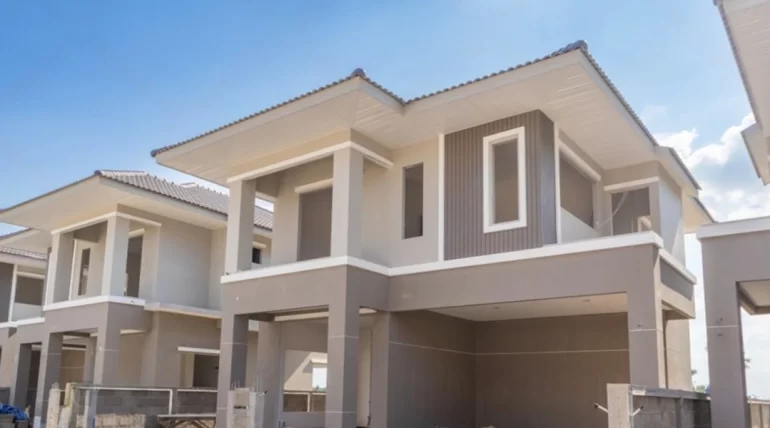
Rendering — in the building sense — is the process of applying a protective and decorative coating to walls, both interior and exterior. Think of it as a fitted suit for your building. It covers the raw surface (brick, block, hebel, stone, or concrete), smooths it out, and gives it a finished, weatherproof look.
The mix typically includes cement, sand, lime, and water, though modern rendering solutions in Sydney have evolved well beyond that basic formula. Today’s options range from lightweight acrylic systems to flexible polymer renders, EPS foam cladding, and specialty waterproof coatings for wet areas.
The result? Walls that look incredible and actually stand up to Sydney’s notorious weather swings — from the sticky, brutal humidity of summer to the kind of cold July southerly that reminds you why people holiday in Queensland.
Why Should You Get Your Property Rendered?
Great question. Here’s the non-fluff version:
1. Protection from the elements Sydney’s coastal air is salty. Salt destroys brick mortar over time. A quality render creates a sealed barrier, dramatically slowing moisture ingress, salt attack, and cracking. If you’re anywhere near the water — think Manly, Cronulla, Bondi — this is non-negotiable.
2. Serious waterproofing Standard brick walls are porous. They let moisture in. Proper waterproof rendering in Sydney (especially polymer-modified or acrylic mixes) creates a near-impenetrable barrier. Critical for bathrooms, pools, and any below-grade surface.
3. Thermal insulation Rendered walls, especially those with EPS (expanded polystyrene) backing, add a measurable insulation layer. That means cooler summers, warmer winters, and a smaller energy bill. Worth thinking about.
4. It adds real property value Freshly rendered homes consistently achieve better sale prices. Real estate agents will tell you that kerb appeal is worth more than any internal renovation. A crisp, textured render on the exterior of a home can shift buyer perception dramatically.
5. It covers a multitude of sins Old brickwork, patchwork repairs, damp stains, uneven surfaces — a quality render hides all of it under a clean, uniform finish. It’s basically a facelift for your building, without the Botox.
The Different Types of Rendering Available in Sydney
Not all renders are created equal. Here’s a breakdown of the main types and when each one makes sense:
Cement Rendering
The classic. Cement rendering uses a sand-and-cement mix applied in multiple coats. It’s durable, affordable, and works on most surfaces — brick, block, concrete, you name it. It’s the foundation of most residential and commercial rendering projects across Greater Sydney. It needs to be painted after application, but with the right prep and finish, cement render can last decades.
Acrylic Rendering
Polymer-based and pre-coloured, acrylic rendering in Sydney is the modern upgrade. It’s flexible (meaning fewer cracks as the building moves), UV-resistant, and comes in a huge range of factory-tinted colours — so no painting required. Perfect for new builds and renovations where you want a premium, long-lasting finish without the ongoing maintenance headache.
Texture Rendering
If you’ve ever admired a home with that gorgeous sandy, stone-effect, or pebble-dash exterior — that’s texture rendering at work. Granosite texture rendering is one of the most popular choices in Sydney right now. It uses fine aggregate particles to create dimensional, tactile surfaces that hide imperfections brilliantly and age beautifully. Fantastic for feature walls, full exteriors, and commercial façades alike.
Polystyrene (EPS Foam) Rendering
This one’s a bit of a game-changer for energy efficiency. Polystyrene rendering in Sydney — also called foam rendering or EPS cladding — involves attaching expanded polystyrene panels to the wall surface, then applying render over the top. The result is an insulated, weather-resistant, lightweight cladding system that’s gaining massive traction in both new construction and retrofit projects. If you’re chasing a 6-star energy rating or just want to slash your cooling bills, this is worth a serious conversation.
Panels & Cladding
For a more architectural look, panels and cladding systems offer structured, modular surfaces that can mimic timber, stone, or concrete. They’re popular on commercial buildings, apartment facades, and feature-wall designs where a sleek, contemporary aesthetic is the goal.
Bathroom Rendering
Wet areas are in a category of their own. Bathroom rendering in Sydney requires specialist waterproofing techniques, correct substrate preparation, and renders that genuinely resist moisture over the long term — not just for a year until you sell the place. Done right, a properly rendered bathroom wall can outlast the tiles laid on top of it.
Swimming Pool Rendering
Your pool copping the chemicals, UV, and constant wet-dry cycles? That’s a brutal environment for any surface. Professional swimming pool rendering in Sydney uses pool-grade waterproof coatings and specialist finishes designed to handle all of that without cracking, flaking, or discolouring. If your pool looks like it’s auditioning for a horror film, it’s time.
The Rendering Process — Step by Step
Here’s what actually happens on-site when you hire a proper team (not your neighbour’s cousin with a cement mixer and a YouTube education):
Step 1 — Site Assessment & Quote A reputable rendering contractor will always start with a proper inspection. They’ll look at your substrate (what the wall is made of), assess any existing damage, moisture issues, or previous render that needs removal, and give you a clear, itemised quote. No mystery pricing, no vague estimates.
Step 2 — Surface Preparation This is where the real professionals separate themselves from the backyard operators. Proper prep involves cleaning the surface, removing loose material, treating any rising damp or moisture ingress, and sometimes applying a bonding agent to ensure the render adheres correctly. Skipping this step is why some renders crack and peel within 12 months.
Step 3 — First Coat Application (Scratch Coat) The initial layer is applied and scored (scratched) to create a mechanical key for the next coat. This layer is about building the base profile and begins to level out any major undulations in the wall.
Step 4 — Second Coat (Float Coat) Once the scratch coat has cured sufficiently, the float coat is applied. This is where the surface starts to take on its final profile — smooth, textured, or somewhere in between.
Step 5 — Finish Coat This is the money coat — the layer that gives your property its final look. Depending on the system chosen, this might be a hand-trowelled cement finish, a sprayed acrylic texture, a Granosite aggregate coat, or a foam EPS panel system with render overlay.
Step 6 — Curing & Quality Check Good renderers don’t just pack up and leave. Proper curing time is essential (especially for cement-based systems), and a final inspection ensures the work meets spec before any painting or sealing is applied.
Industrial & Commercial Rendering in Sydney
Commercial properties have a different set of demands. Commercial rendering in Sydney needs to handle higher foot traffic, larger surface areas, tighter timelines (because nobody wants their business looking like a building site for three months), and often more stringent council or strata requirements.
Industrial rendering — think warehouses, factories, and large-format retail — typically leans toward functional, durable systems. Flexible rendering products and polymer-modified coatings are common here, offering crack resistance across large substrate areas that shift and flex more than residential buildings.
The team at Bill Cement Rendering has handled everything from single-storey homes in the Hills District to multi-storey commercial facades in Western Sydney. The scale changes, the quality standard doesn’t.
Plastering & Ceiling Plastering in Sydney
Inside the home, plastering is rendering’s close cousin — and equally important. Plastering services in Sydney cover everything from new plasterboard installation and set plaster finishing through to re-coating existing walls that have seen better days.
Ceiling plastering is a particular speciality. Ceilings are exposed, visible from every angle, and any patchy or poorly finished work is immediately obvious. Whether it’s a fresh new build, a heritage home with ornate cornices, or a commercial fit-out needing a seamless Level 5 finish, proper ceiling plastering requires skill, patience, and the right materials.
How Bill Cement Rendering Actually Helps You
Look, there are plenty of rendering operators in Sydney. Some are great. Some will give you a quote, take a deposit, and disappear faster than your last tradie. Here’s what genuinely sets a quality rendering contractor in Sydney apart:
- Experience with all substrate types — brick, hebel, concrete, AAC block, stone, and existing render over-coatings
- Licensed and insured — non-negotiable, especially for commercial work
- Transparent pricing — no hidden extras, no vague scope
- Material knowledge — knowing when to use cement vs. acrylic vs. polymer systems isn’t guesswork, it’s expertise
- A portfolio you can actually look at — check out real completed projects before committing
Bill Cement Rendering ticks all of these. They operate across Greater Sydney, handle residential and commercial work, and offer the full suite of services — from the first scratch coat to the finished, painted exterior.
Flexible Rendering: The Future-Proof Option
One thing worth knowing about in 2026: flexible rendering systems. Traditional cement render, while durable, can crack over time as a building naturally moves — thermal expansion, slight ground shifts, and structural settlement are all normal in any building.
Flexible polymer-modified renders are engineered to move with the building rather than against it. The result is a surface that’s far more resistant to hairline cracking and more forgiving in Sydney’s temperature extremes. If you’re rendering a large area, a heritage building, or a property on reactive soil — flexible rendering should be on your radar.
FAQs About Rendering in Sydney
How much does rendering cost in Sydney? It varies significantly based on surface area, substrate condition, render type, and access. Budget anywhere from $40–$80/m² for basic cement render through to $80–$150/m² for premium acrylic or texture systems. Always get at least two detailed quotes.
How long does rendering last? A properly applied cement render should last 20–30 years with basic maintenance. Acrylic systems are often warrantied for 10–15 years. Pool and bathroom renders depend heavily on ongoing maintenance.
Can you render over existing render? Sometimes. It depends on the adhesion and condition of the existing render. A proper site assessment will determine whether removal is needed or if an overlay system is appropriate.
Do I need council approval to render my home? Generally not for standard residential rendering in Sydney, but heritage-listed properties may have restrictions on surface finish and colour. Always check with your local council if you’re unsure.
Ready to Transform Your Property?
Whether you’re chasing a sleek modern acrylic finish, a textured Granosite exterior, insulated EPS cladding, a waterproofed pool surround, or just want your tired old brick home to actually look like it belongs in this decade — proper rendering is the answer.
Explore the full range of rendering and plastering services and find out what’s possible for your specific property. Or skip the reading and get in touch directly for a free quote and on-site assessment.
Your walls have been patient. Don’t make them wait any longer.