
Your Walls Are Talking — Are They Saying the Right Thing About Your Sydney Home?
A no-fluff guide to house rendering in Sydney — what it is, why it matters, and how to actually get it right
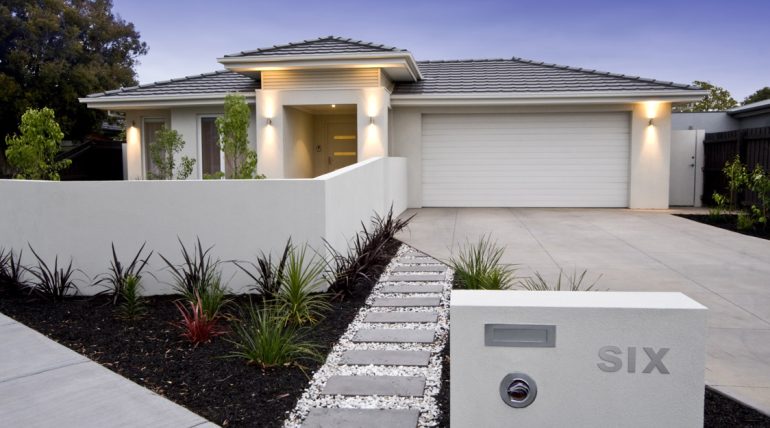
Let’s be honest. You’ve driven past that neighbour’s freshly rendered home, felt a pang of something (envy? inspiration? mild competitiveness?), and thought: I need to do something about my place. Whether your walls are ageing brick, tired weatherboard, or concrete that’s seen better decades, rendering might just be the glow-up your home deserves.
Sydney homes cop a lot. Coastal salt air, blazing summer sun, those sneaky wet winters — your exterior walls take the hit every single day. Great rendering isn’t just about looks (though trust us, the curb appeal alone is worth it). It’s about protecting your biggest asset, boosting its value, and finally making your home look the part in one of Australia’s most style-conscious cities.
So pull up a chair — we’re going deep on everything you need to know about rendering solutions in Sydney, from what the process actually looks like to which type suits your property.
What Is House Rendering, Exactly?
At its core, rendering is the application of a cement, acrylic, or polymer-based mixture to your home’s exterior (and sometimes interior) walls. Think of it as a protective skin — one that smooths out imperfections, seals out moisture, and gives your property a clean, modern finish.
House rendering in Sydney has been a staple trade for decades, but the materials and techniques have come a long way. We’re no longer stuck with a single grey coat and a paintbrush. Today’s homeowners can choose from traditional cement, flexible acrylic, decorative texture coats, lightweight polystyrene systems, and more — each with its own personality and performance profile.
The base process generally involves:
- Surface preparation — cleaning, repairing cracks, and applying a bonding agent where needed
- First coat application — the scratch coat, giving the render something to grip
- Second and/or third coat — building up thickness and achieving the desired finish
- Curing — letting it set properly (this part is non-negotiable, no matter how impatient you are)
- Painting or texture finishing — depending on which render type you’ve gone with
Done properly by experienced cement renderers in Sydney, you’re looking at a finish that can last 20–30 years with reasonable maintenance. Done by the bloke who watched two YouTube videos? Let’s not go there.
Why Should Sydney Homeowners Bother Rendering?
Here’s where it gets good. Rendering isn’t just a cosmetic exercise — though your Instagram feed will thank you.
Weather protection. Sydney’s climate is genuinely varied: UV-heavy summers, humid coastal air, and plenty of moisture. A properly applied render coat acts as a barrier between all of that and your wall structure. Hairline cracks in brick and mortar? Sealed. Moisture infiltration? Blocked.
Structural longevity. Rendering reinforces your walls and can slow the deterioration of older brickwork significantly. For heritage homes or properties built in the 50s and 60s, it can be genuinely life-extending for the structure.
Property value. Real estate agents will tell you this without prompting: a freshly rendered home photographs better, attracts more buyers, and consistently achieves stronger sale prices. In Sydney’s competitive market, the return on investment from quality residential rendering is hard to argue with.
Energy efficiency. Certain render systems — particularly polystyrene-based options — add real thermal insulation. Lower heating bills in winter, reduced cooling load in summer. Not nothing, especially with Sydney energy costs.
Noise reduction. Added wall thickness means added acoustic performance. If you’re in a busy suburb, you’ll notice the difference.
It just looks brilliant. Let’s not undersell the aesthetic payoff. A well-rendered Sydney home has a clean, cohesive, contemporary look that brick alone rarely achieves.
The Rendering Types — Which One’s Right for You?
Not all render is created equal. Here’s the honest breakdown.
Cement Rendering
The classic. Cement rendering in Sydney uses a mixture of cement, sand, and lime to create a hard, durable finish. It’s the most affordable option upfront, though it does require painting after application and is more prone to hairline cracking over time as the substrate moves.
Best for: Brick homes, budget-conscious renovations, heritage properties, and any situation where you want a solid traditional finish.
Pricing in Sydney currently sits around $34–$69 per square metre, depending on surface condition and complexity.
Acrylic Rendering
This is the modern favourite — and for good reason. Acrylic rendering in Sydney incorporates polymer additives that give the render flexibility, crack resistance, and water repellency well beyond what standard cement can offer. It comes pre-pigmented in a huge range of colours, so you can often skip the painting step entirely.
For Sydney’s coastal suburbs especially — think Manly, Cronulla, Bondi — acrylic render’s superior moisture resistance makes it a particularly smart choice.
Pricing: $46–$80 per square metre in the current Sydney market.
Granosite Texture Rendering
Granosite texture rendering is a high-performance decorative rendering system that delivers stunning textured finishes — from fine sand textures to more dramatic coarse looks. It’s durable, UV-stable, and adds a real point of difference to a home’s exterior. If you want something that stands out on the street for the right reasons, this is worth the conversation.
Polystyrene Rendering
Polystyrene rendering in Sydney is growing fast in popularity — and the benefits explain why. EPS (expanded polystyrene) or XPS (extruded polystyrene) panels are fixed to the wall framing, then rendered over with an acrylic mix reinforced by fibreglass mesh. The result is a system that is:
- Lightweight — ideal for upper storeys and second-floor additions where weight loading matters
- Thermally insulating — genuine R-value improvement, year-round
- Sound dampening — a real bonus in urban Sydney
- Moisture resistant — polystyrene panels don’t absorb water, full stop
It’s also fire-resistant when properly installed with the right coatings. For new builds and extensions in particular, polystyrene cladding systems are increasingly the go-to choice among builders and architects.
Interior Plastering
Rendering isn’t exclusively an outdoor pursuit. Interior plastering in Sydney covers everything from smooth set plaster on new walls and ceilings to repair and patching on existing surfaces. A quality plaster finish makes a significant difference to how a room feels — there’s a reason builders and interior designers always specify it on premium projects.
Whether it’s a brand-new build, a renovation, or repairing damage after plumbing work, skilled plasterers are not a luxury — they’re essential.
The Specialist Areas: Bathrooms and Swimming Pools
Two areas where rendering gets particularly technical — and where cutting corners really hurts.
Bathroom Rendering
Bathrooms are waterlogged environments. Steam, condensation, direct water contact, and fluctuating temperatures create a uniquely hostile setting for wall surfaces. Bathroom rendering in Sydney requires specialist waterproofing prep and the right render mix — typically acrylic or polystyrene-based — to ensure surfaces are genuinely sealed against moisture.
Get it wrong and you’re dealing with water damage behind tiles, mould growth, and structural deterioration that’s expensive and disruptive to fix. Get it right and you have a bathroom that looks sharp, stays hygienic, and performs for decades.
Swimming Pool Resurfacing
Your pool takes a beating that most surfaces never experience — constant water contact, chemical exposure (chlorine isn’t gentle), UV, and thermal expansion through the seasons. Swimming pool rendering in Sydney is one of the most impactful maintenance investments you can make for your pool.
Most in-ground pools use gunite or concrete shells, which will eventually show cracks, surface erosion, and structural wear. Professional pool resurfacing using cement or acrylic render:
- Extends your pool’s lifespan significantly
- Creates an impermeable, smooth surface (no more rough-on-feet aggregate exposure)
- Provides a stable, seamless base for tiles, pebblecrete, or colour finishes
- Reduces ongoing maintenance — rendered surfaces don’t harbour algae the way porous concrete does
The rendered surface won’t fade, discolour, or deteriorate quickly, even with continuous exposure to chlorinated water. If your pool is showing its age, resurfacing is almost always more cost-effective than replacement.
The Rendering Process: What to Expect Start to Finish
If you’ve never had rendering done, the process can seem a bit mysterious. Here’s how a professional job actually unfolds.
Step 1 — Site Assessment and Quote A reputable renderer will visit your property, assess the wall surfaces, identify any cracks or damage requiring repair, and provide a clear, itemised quote. Be cautious of anyone quoting by phone without seeing the job.
Step 2 — Surface Preparation This is where the quality work begins — and where shortcuts cost you later. Surfaces are cleaned, old render removed if required, cracks filled, and bonding agents applied where adhesion could be an issue. Scaffolding goes up for any multi-storey work.
Step 3 — Render Application Typically two to three coats. The scratch coat bonds to the surface and provides a key for subsequent layers. Subsequent coats build up the thickness and achieve the specified finish — smooth, textured, or somewhere in between.
Step 4 — Finishing Depending on the render type: painting (for cement render), a texture coat (for decorative finishes), or an armour coat for polystyrene systems. This is where the aesthetic really comes to life.
Step 5 — Clean-Up and Inspection Scaffolding removed, site cleaned, and a final walkthrough to ensure the finish meets spec. Any good renderer will stand behind their work.
Total project duration for a typical single-storey Sydney home: 3–7 days depending on size, render type, and weather. Two-storey homes or those requiring significant prep work will take longer.
What Does It Actually Cost in Sydney?
Here’s the current (2026) market reality for rendering in Sydney:
| Render Type | Cost per m² (Sydney) |
| Cement Render | $34 – $69 |
| Acrylic Render | $46 – $80 |
| Texture Coat | $52 – $92 |
A typical single-storey Sydney home with approximately 150m² of wall surface is looking at $6,300 – $14,950 depending on render choice. Two-storey homes run higher due to scaffolding requirements, which add around $1,700 – $4,600 on top.
Old render that needs removal before new work can be applied adds $17 – $46 per m² to the scope. Get this factored into any quote upfront.
Why Choose a Specialist Renderer Over a Jack-of-All-Trades?
This is worth saying plainly: rendering is a skilled trade. The difference between an experienced specialist and someone who does it occasionally as an add-on to other work is visible — literally visible, on your walls — for years.
Experienced renderers know:
- Which products perform on Sydney’s coastal versus inland substrates
- How to handle expansion joints to prevent future cracking
- The right mix ratios for different weather conditions during application
- How to repair and prep surfaces for maximum adhesion and longevity
At Bill Cement Rendering, that specialist knowledge is baked into every job. The team works across the full spectrum — from residential home rendering to commercial projects — and every service in between, including bathrooms, pools, and decorative finishes. Check out the completed projects to see the quality of finish across real Sydney homes and businesses.
Common Questions Sydney Homeowners Ask
Can I render over existing render? Sometimes, yes — if the existing render is sound and well-adhered. If it’s cracked, hollow, or poorly bonded, it needs to come off first. Your renderer will assess and advise.
How long does render last? A professionally applied cement render can last 20–30 years. Acrylic render is similarly durable, with better crack resistance over time. Proper maintenance (painting cement render every 8–10 years, monitoring for cracks) extends the lifespan further.
Do I need to paint over render? With cement render, yes — it requires painting. Acrylic and texture coat renders come pre-coloured and typically don’t need painting, though a top coat can be added for additional protection and colour options.
Is rendering a DIY job? Technically? Yes, you can buy render mix from a hardware store. Should you? Unless you’re an experienced tradesperson, probably not. Poorly applied render cracks, peels, and looks terrible within a couple of years. For a job that will be on your home for decades, the professional cost is genuinely worth it.
Ready to Transform Your Sydney Home?
Whether you’re looking at a full exterior makeover, need an interior plaster finish sorted, want a dated bathroom brought back to life, or are finally tackling that pool that’s been embarrassing you at every summer BBQ — professional rendering done right makes a lasting difference.
Get in touch with the team at Bill Cement Rendering for a free quote and honest advice about what your specific project actually needs. They’re open seven days, know Sydney’s homes inside out, and won’t waste your time with fluff.
Your walls have been putting up with a lot. It’s time to return the favour.
Bill Cement Rendering operates across the Sydney metro area, offering cement rendering, acrylic rendering, interior plastering, bathroom rendering, pool resurfacing, polystyrene rendering, Granosite texture systems, and more. View all services or see recent projects.