Address
Sydney Wide
Call for anything
You may send an email
Open 7 Days

Sydney’s housing stock is dominated by brick — red brick, cream brick, double brick, clinker brick. Much of it was built across the post-war boom decades, and while solid construction, those exteriors don’t exactly scream “modern.” Rendering transforms that equation entirely.
But beyond aesthetics, there are practical reasons why rendering makes particular sense in Sydney:
Weather protection. Sydney’s climate tests exterior walls from every direction. Salt air near the coast accelerates brick degradation. UV intensity degrades mortar joints over time. That predictable Sydney storm event — often accompanied by horizontal rain — finds its way into porous brick and ageing mortar faster than most homeowners expect. A properly applied render creates a sealed surface that keeps moisture out and significantly extends wall life.
Thermal performance. Rendered walls, particularly with systems that incorporate insulation (like polystyrene rendering), significantly improve a home’s thermal mass. In Sydney’s hot summers and surprisingly chilly winters, that translates to real energy savings year after year.
Property value. This one’s measurable. A quality render job on a dated brick exterior can lift the perceived and actual value of a Sydney property — buyers are drawn to the cleaner, more contemporary look that rendering provides. In a market as competitive as Sydney, kerb appeal isn’t a luxury, it’s a serious asset.
Covering old problems without demolishing. Cracked brick, uneven surfaces, dated textures — rendering covers all of it cleanly, at a fraction of the cost of full brick replacement. That’s why it’s such a popular choice for renovations across Sydney’s older suburbs.
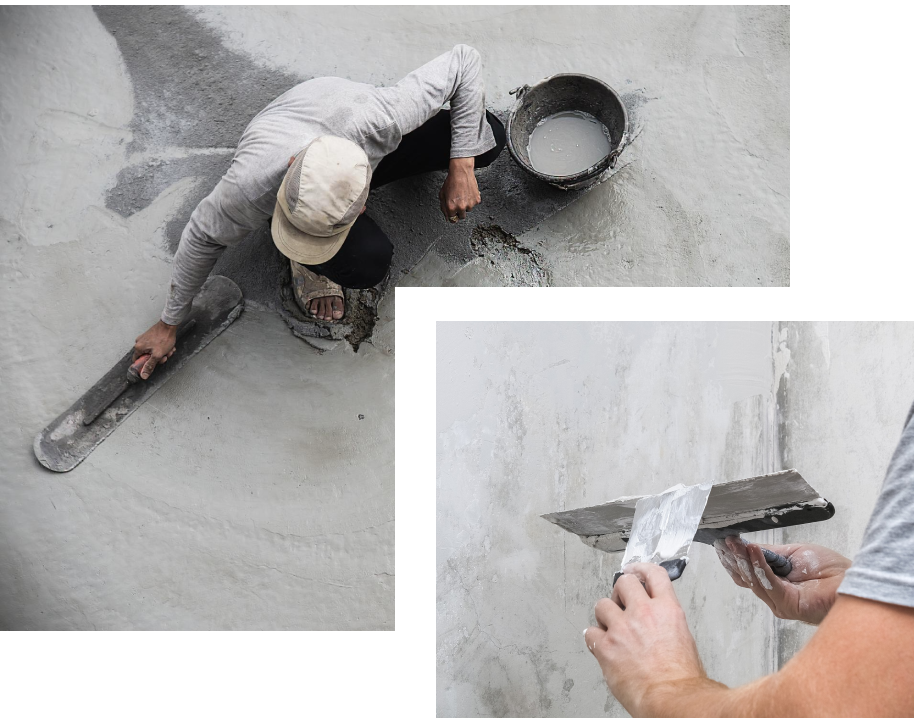
The traditional standard. A mix of cement, sand, and lime applied to masonry surfaces in multiple coats, building up a durable, paintable surface. Cement rendering is robust, time-tested, and particularly well-suited to Sydney’s older brick homes where the substrate is solid and level.
It requires more skill to apply well than some modern systems — particularly achieving a consistent, crack-free finish — which is why the quality of the renderer matters enormously. Done right, cement render lasts 20–40 years with appropriate maintenance.
Best for: Solid brick homes, older properties, situations where durability is the priority.
Acrylic render uses polymer-modified compounds rather than traditional cement-sand mixes. The result is a more flexible finish with built-in colour options, superior resistance to cracking caused by thermal movement, and a faster turnaround time. Acrylic rendering is increasingly popular on modern Sydney homes precisely because it handles the expansion and contraction caused by Sydney’s temperature swings without cracking as readily as harder cement finishes.
It also comes pre-tinted, so in many cases you skip the paint stage entirely — which can save cost and timeline on larger projects.
Best for: Modern homes, rendered finishes requiring colour integration, properties that experience significant thermal movement.
This is the system that gets the most questions, so let’s be clear about what it actually is. Polystyrene (EPS) rendering involves adhering sheets of expanded polystyrene insulation to the wall, then applying a fibreglass mesh and render system over the top. The result is a rendered finish that also provides substantial insulation — typically R1.0 to R2.0 or higher depending on board thickness.
It’s the system of choice when thermal performance is a priority, or when a lightweight render system is needed (it adds very little weight to the wall structure). It’s also excellent for rendering over surfaces that aren’t ideal for direct cement render application.
Best for: New builds prioritising insulation, retrofits where wall condition is poor, properties chasing energy efficiency gains.
Granosite texture rendering produces a distinctive coarse-textured finish using aggregate materials in the render coat. It’s durable, weather-resistant, and has an appealing texture that suits both residential and commercial applications. The textured surface also effectively hides minor imperfections in the underlying substrate — which makes it a practical choice for walls that aren’t perfectly flat.
Best for: Commercial buildings, homes where a coarser aesthetic is desired, walls with surface irregularities.
Interior wall plastering is a related but distinct service — smooth, fine plaster applied to internal walls and ceilings for a premium interior finish. Professional plastering is the difference between walls that look handmade and walls that look like something from a luxury build. It’s also the right approach for repairing damaged internal walls before painting.
This is the part most Sydney homeowners want to understand before committing — and the part most websites gloss over. Here’s what a properly executed rendering job actually looks like.
Before a trowel touches a wall, an experienced renderer inspects the substrate. They’re checking structural integrity, existing cracks or moisture ingress, surface contamination (paint, salt, loose material), and whether the wall type is compatible with the chosen render system.
This step determines which primer or bonding agent is needed, whether crack repairs are required before rendering, and exactly what the render schedule will look like. Surface preparation takes up roughly 40% of the total time on a proper rendering job — and it’s the step that separates renders that last 25 years from renders that start cracking in five.
The wall is thoroughly cleaned — any loose material, paint, or contamination removed. Cracks are filled and repaired with appropriate compounds and allowed to cure before rendering begins. On brick walls, mortar joints are checked and any crumbling mortar is raked out and replaced. For substrates that need additional adhesion, a bonding agent or scratch coat is applied.
For polystyrene systems, EPS boards are adhered to the wall in this phase, followed by fibreglass mesh embedding.
Pro tip: If a renderer shows up and wants to start applying render immediately without doing this prep work — watch out. Render is only as good as what it’s bonded to, and skipping prep is the fastest way to produce a finish that cracks, bubbles, or delammates within a few seasons.
The first coat — called the scratch coat — is applied to the wall with a trowel, starting from the base and working upward in consistent, even strokes. For cement render, this mix is typically 1 part cement to 3–4 parts sand, applied at a thickness of around 5–10mm per coat.
While still wet, the surface is “scratched” with a serrated tool — this roughened surface provides mechanical adhesion for the subsequent coat. Without the scratch, the next layer has nothing to grip.
On uneven or damaged walls, additional build-up coats may be needed to achieve a level surface before the finish coat. Each coat is allowed to partially cure before the next is applied — rushing this process is where bubbling and delamination originate.
The final coat determines the surface texture and appearance. Options include smooth (worked back with a float and sponge), sand-faced (a finer aggregate finish), or various textured finishes depending on the system and aesthetic preference.
For acrylic systems, this stage incorporates the colour directly into the render. For cement systems, the surface will be painted after curing is complete.
This step is critical and non-negotiable. Render needs to cure slowly and consistently to develop its full strength without cracking. In Sydney’s summer heat, newly rendered walls need to be misted with water daily for five to seven days to prevent the surface from drying too quickly. Plastic sheeting may be used to shade the surface from direct sun during the most critical curing phase.
Don’t let anyone skip this step. A render that dries too fast in summer conditions will develop a network of hairline cracks that compromises both appearance and waterproofing.
Once fully cured — typically 14 days for water-based paints, 28 days for oil-based — rendered cement surfaces are painted with an appropriate masonry paint. For acrylic renders, this step is often not required as colour is built into the final coat.
Want to see how the finished product looks across different residential and commercial projects? Browse our completed project gallery for real before-and-after examples across Sydney.
Honest answer: the cost varies enough that a single number doesn’t tell the whole story. But here are real ranges you can use to budget.
Cement rendering (supply and install, standard wall): $30–$60 per m²
Acrylic rendering (pre-coloured, supply and install): $45–$80 per m²
Polystyrene rendering system (including EPS board and render): $80–$150+ per m²
Granosite texture render: $35–$65 per m²
Total project costs for a typical Sydney home:
Property Size | Cement Render | Acrylic Render |
Small single-storey (~150m² wall) | $4,500–$9,000 | $6,750–$12,000 |
Average 3-bedroom (~250m² wall) | $7,500–$15,000 | $11,250–$20,000 |
Large double-storey (~400m² wall) | $12,000–$24,000 | $18,000–$32,000 |
What pushes the cost up:
How to get the best value:
Get at least three detailed quotes that specify the render system, number of coats, surface prep included, and curing schedule. A quote that says “render full exterior — $X” without those details isn’t a quote, it’s a number. The difference between a $7,000 render job and a $14,000 quote for the same house often comes down to what’s actually included and the quality of materials and application.
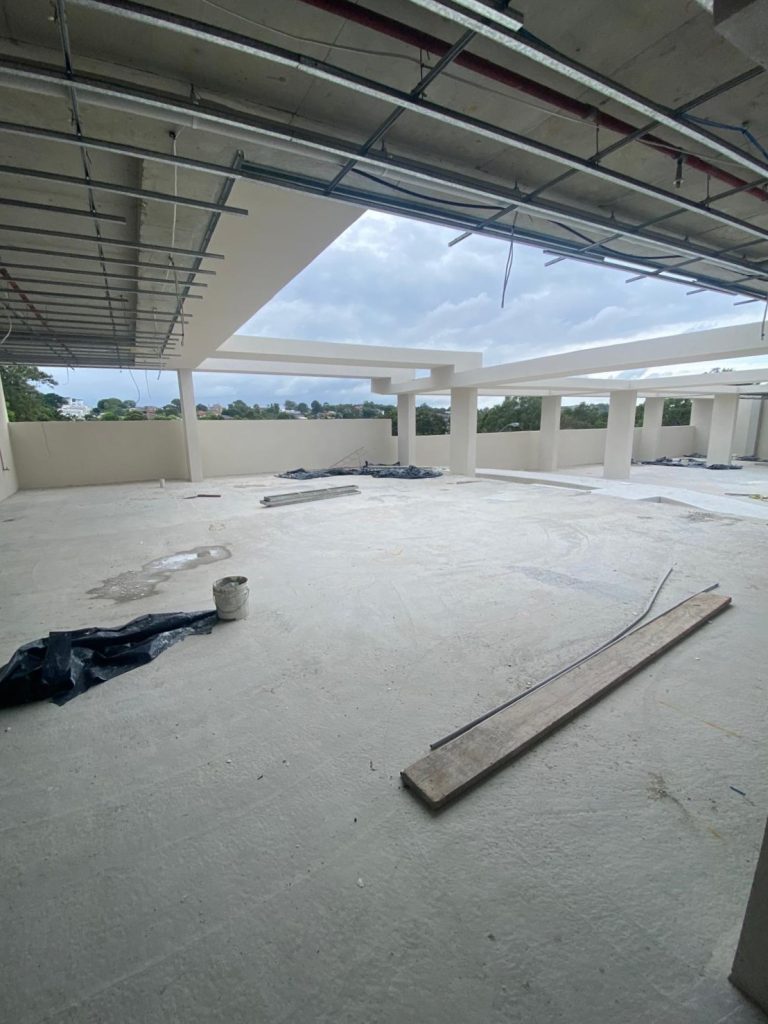
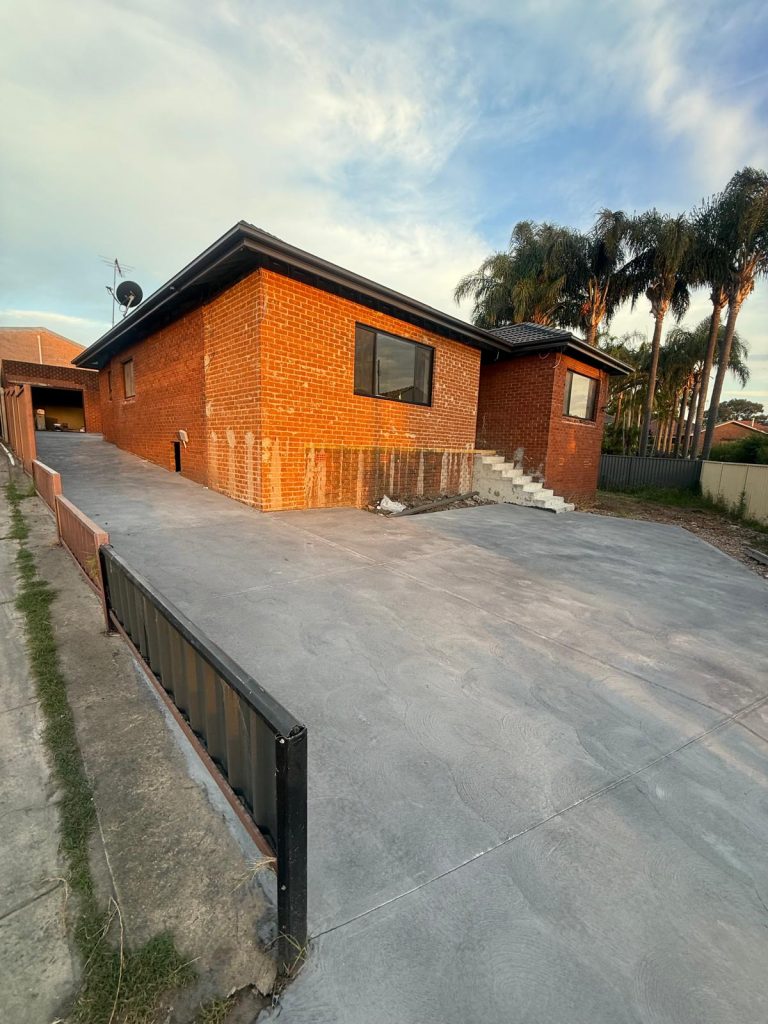
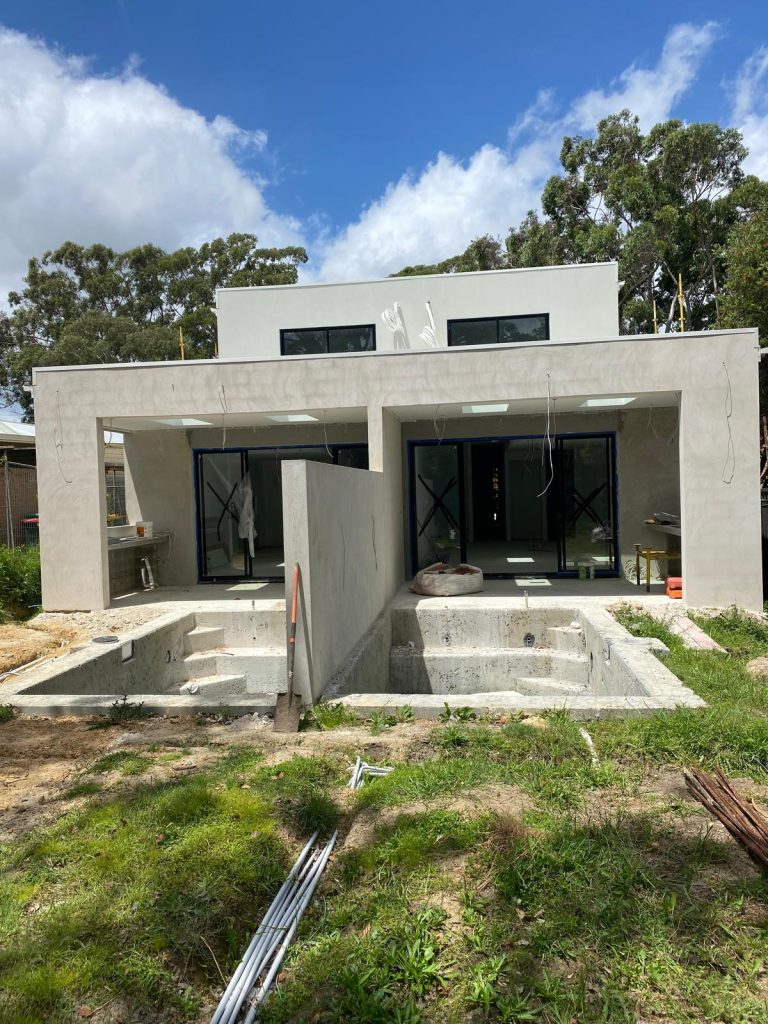
No single answer here — it genuinely depends on your property. But here’s a practical decision guide for Sydney conditions:
Choose cement rendering if your home has solid brick substrate in reasonable condition, you want the most traditional and proven system, and you’re comfortable with the maintenance cycle (render painted every 8–12 years typically).
Choose acrylic rendering if your home has some thermal movement, you want colour integrated into the finish without a separate paint step, or you want a slightly more flexible modern system. Acrylic’s resistance to cracking makes it increasingly popular in Sydney’s western suburbs where temperature swings are more extreme.
Choose polystyrene rendering if insulation is a priority (particularly valuable in outer western Sydney or if you’re chasing energy efficiency ratings), if your wall substrate is problematic for direct rendering, or if you want a lightweight high-performance system on a newer build.
For specialty areas, panels and cladding systems offer additional options for commercial and residential facades where a modern flat-panel appearance is the goal.
Not sure what suits your specific project? Explore the full range of rendering services or reach out directly — a proper on-site assessment is the only reliable way to give a recommendation tailored to your actual walls.
Plenty of rendering jobs in Sydney look great on day one and start showing problems within three to five years. Here’s what separates lasting work from short-lived work:
Substrate preparation is everything. A render bond to an inadequately prepared surface will fail regardless of how good the render product is. This isn’t a shortcut-able step.
Correct render system for the substrate. Applying hard cement render to a flexible substrate causes cracking. Using the wrong system for coastal salt environments leads to premature failure. A knowledgeable renderer specifies the right product for your actual wall.
Proper curing. Sydney’s summer heat is the enemy of freshly applied render. Proper misting and shading during the curing phase isn’t optional on hot days — it’s what prevents that spiderweb of hairline cracks that appears within a season.
Quality materials. Cheaper render products that don’t perform in Australian UV conditions will fail faster. At Bill Cement Rendering, we use proven materials including Dulux, Rockcote, Unitex, and Astec systems — products with demonstrated performance in Sydney’s climate.
One of the questions we get most often is whether rendering is only for exterior house walls. The short answer is no — render is used in a range of applications that require durable, waterproof, smooth surfaces:
Bathroom rendering. Properly rendered bathroom walls using waterproof render systems are the right foundation for any tiling job in a wet area. Getting this right prevents the tile debonding and moisture ingress issues that cause expensive bathroom repairs down the track.
Swimming pool rendering. Pool rendering requires specialist waterproof products and application techniques. A well-rendered pool surface is essential for preventing water loss and protecting the pool structure from chemical and water damage.
Whether you’re transforming the outside of a tired brick home, completing a new build, upgrading a bathroom, or resurfacing a pool, the process starts the same way: an honest on-site assessment and a written quote that covers exactly what you’re getting.
If you’ve been looking at those rendered homes in your street with envy, or you’ve got a project that needs a quality renderer who actually knows what they’re doing — we’re ready to help.
Contact Bill Cement Rendering for a free inspection and quote. We cover all of Sydney, work across residential, commercial, and specialty applications, and back every job with the craftsmanship that’s made us a certified, Google-reviewed rendering specialist in this city.
The transformation you’ve been picturing is closer than you think.
Bill Cement Rendering provides professional cement rendering, acrylic rendering, polystyrene rendering, granosite texture rendering, plastering, bathroom rendering, pool rendering, panels and cladding across all Sydney residential and commercial projects. Certified rendering experts. Free inspections and quotes available.
Sydney Wide
0431 320 320
Bill Cement Rendering is a team of certified rendering artisans dedicated to pushing the boundaries of traditional rendering.