
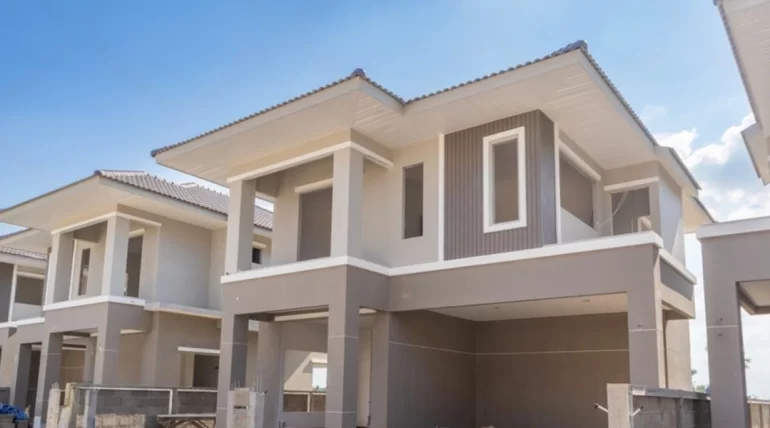
Walk down any street from Parramatta to the Northern Beaches and you’ll spot them straight away — the houses that look ten years younger than their actual age, sitting next to the ones with brickwork that’s seen better decades. The difference usually isn’t a bigger renovation budget. It’s render. A good coat of the stuff can turn a tired 1970s brick veneer into the best-looking place on the block, and it does a lot more than just look pretty while it’s at it.
If you’ve been down the Google rabbit hole trying to work out the difference between cement rendering, acrylic rendering, granosite texture, and whatever “polystyrene rendering” is supposed to mean, you’re not alone. It’s a confusing industry to shop in, mostly because half the websites out there use the terms interchangeably when they really shouldn’t. So we sat down, did the homework, sized up what the rest of the Sydney render market is telling people, and put together the guide we wish more homeowners had before they signed a quote. No jargon soup, no scare tactics — just what actually matters when you’re deciding how to protect and dress up your walls.
Why Sydney Houses Need Rendering More than Most
Sydney’s climate is gorgeous right up until it isn’t. We get salt-laden air rolling in off the coast, sudden downpours that seem to arrive on a Tuesday out of spite, and long stretches of UV that’ll fade an unprotected surface faster than you’d think. Exposed brick and block absorb moisture, and once water gets into masonry it doesn’t leave quietly — it brings efflorescence, cracking, and eventually structural headaches that cost a lot more to fix than they would have to prevent.
A properly applied render acts like a raincoat for your building. It sheds water instead of soaking it up, buys you a layer of insulation that eases the load on your heating and cooling, and gives salt air something to bounce off rather than eat into. That’s before we even get to kerb appeal — real estate agents will tell you a rendered facade is one of the cheapest value-adds going, dollar for dollar, when it’s time to sell.
What “Rendering” Actually Covers
This is where most guides get lazy, so let’s break it down properly.
Cement rendering is the traditional method — sand, cement and lime, hand-applied and finished to a smooth or textured surface. It’s the workhorse of the industry: cost-effective, breathable, and it’s been protecting Australian homes for generations. The team at Bill Cement Rendering treats this as their bread and butter, and you can see exactly what goes into a proper cement rendering job in Sydney if you want the finer detail.
Acrylic rendering is the newer, flexible cousin. Because it has a bit of give in it, it resists the hairline cracking that plain cement can develop as a building settles or shifts slightly with the seasons. It also comes pre-coloured, meaning you can skip the painting step altogether if that suits your project. For anyone leaning toward a modern, crack-resistant exterior, the acrylic rendering Sydney page runs through the finishes on offer.
Granosite texture rendering is the one people forget exists until they see it on an older Federation home or a heritage-style build and go “ooh, what’s that?” It’s a decorative, pebbly textured finish that hides surface imperfections beautifully while adding genuine grip and durability. If you’re chasing that distinctive stippled look rather than a flat finish, the granosite texture rendering service page shows the range of textures available.
Polystyrene rendering sounds like it shouldn’t work as well as it does. EPS panels get fixed to the wall and rendered over, and the result is serious extra insulation without adding real weight to the structure — a genuinely clever option for new builds, extensions, or anyone chasing better energy ratings. Details on how it’s built up are on the polystyrene rendering Sydney page.
Panels and cladding sit slightly outside the traditional wet-render family but solve a similar problem — a durable, weatherproof, good-looking exterior — using pre-finished sheet materials instead of a trowelled coat. It’s a strong option where speed of install or a specific architectural look matters, and you can browse what’s involved via panels and cladding services.
Gyprock plastering is technically the internal cousin of all this — smooth, paint-ready wall and ceiling finishes indoors rather than weatherproofing outdoors. If your interior walls need patching, skimming, or a full plasterboard finish before the painters turn up, that falls under general plastering in Sydney rather than the exterior render range.
Waterproof rendering isn’t really a separate product so much as a job requirement — anywhere moisture is a constant guest, the render mix and sealing process need to step up. That’s exactly the brief for a bathroom rendering project, where the finish has to survive daily steam, splashback and humidity without ever letting water sneak behind it.
Pool resurfacing and pool rendering get lumped together a lot, and there is overlap, but they’re not identical. Resurfacing typically refers to refinishing the interior pool shell (think pebblecrete, quartz, or marblesheen style surfaces), while pool rendering is about the surrounding structure and wall finishes holding up to constant water exposure, chlorine, and sun. Either way, it’s specialist work — get it wrong and you’re not just looking at an ugly patch, you’re looking at a leak. The swimming pool rendering Sydney service covers what a properly water-resistant pool render finish involves.
Commercial Rendering: A Different Beast Entirely
Rendering a shopfront, office block, childcare centre or apartment complex isn’t just a bigger version of a house job — it comes with its own set of headaches: access equipment, work health and safety sign-off, minimising disruption to tenants or customers, and matching a finish across a much larger and often more complex facade. Sydney’s commercial strip is competitive, and a tired-looking exterior sends the wrong message before a client’s even walked through the door. Bill Cement Rendering handles this end of the market regularly, and the commercial rendering Sydney page walks through how larger-scale projects, from strata blocks to retail fit-outs, get managed from quote to handover.
So, How’s It Actually Done?
Here’s where a lot of blogs go vague, so let’s not.
- Inspection and consultation. A decent renderer walks the site first — checking substrate condition, existing cracks, moisture levels, and what finish will actually suit the building rather than just what looks nice in a brochure.
- Surface preparation. This is the unglamorous 80% of the job that determines whether the render lasts five years or twenty-five. Loose material gets removed, cracks get addressed, surfaces get cleaned and, where needed, a bonding agent or mesh is applied.
- Base coat application. The first coat goes on to build the foundation layer, levelling out the surface and giving something solid for the finish coat to key into.
- Finish coat and texture. Depending on what you’ve chosen — smooth trowel, textured, granosite, acrylic colour-through — this is where the look actually comes together.
- Curing and quality check. Good render needs time to cure properly before it’s exposed to the elements or, in a bathroom or pool setting, before it’s exposed to water at all.
- Handover. A tidy site, a walk-through of the finished work, and — if the crew’s any good — a few honest tips on how to look after it.
If you’d like the plain-English version of that process alongside real project photos, the full rundown of rendering services on offer breaks each stage down service by service.
The Benefits, Without the Sales Pitch
- Weatherproofing — a proper render sheds rain and resists salt air, which matters a lot more here than in, say, Dubbo.
- Insulation — less heat loss in winter, less heat gain in summer, which your energy bill will quietly thank you for.
- Structural protection — render adds a buffer between your masonry and the elements, slowing down long-term deterioration.
- Kerb appeal and resale value — arguably the fastest, most visible transformation you can give a tired exterior.
- Crack and moisture management — particularly relevant for older Sydney homes on reactive clay soils, where a flexible acrylic finish can be worth its weight in gold.
- Customisation — colour, texture, and finish options mean two identical houses can look completely different once rendered.
What Sydney Homeowners Get Wrong
The biggest mistake we see isn’t picking the wrong render type — it’s picking the wrong tradesperson, or skipping the prep stage to save a few bucks. A render is only as good as what’s underneath it. Stretched mixes, rushed prep, and “she’ll be right” attitudes are exactly why some Sydney renders start cracking or blowing off the wall within a couple of years, while a properly done job comfortably clocks up a couple of decades.
The second most common mistake is assuming every renderer can do every finish equally well. Granosite texture, waterproof bathroom work, and polystyrene systems all require slightly different skills and product knowledge. Worth asking directly what experience a company has with the exact finish you’re after, rather than assuming “rendering is rendering.”
What Does It Cost?
Honestly? It depends — and anyone who quotes you a firm figure without seeing the property first is guessing. Price is shaped by wall condition, surface area, access (a two-storey terrace with tight side access costs more to scaffold than a single-storey brick veneer with a driveway alongside it), the render type chosen, and how much prep work the existing surface needs. The most reliable way to get an honest number is a proper site inspection and a written quote — which is exactly what you’ll get if you get in touch through the contact page.
Seeing Is Believing
Descriptions and blog posts are all well and good, but render is a visual trade. If you want a proper sense of what a finished cement render, acrylic finish, or granosite texture actually looks like on a real Sydney property rather than a stock photo, it’s worth flicking through the completed projects gallery — and for anyone chasing more render tips, maintenance advice, and behind-the-scenes project breakdowns, the blog gets updated regularly with exactly that.
The Bottom Line
Rendering isn’t just cosmetic — it’s one of the more sensible investments you can make in a Sydney property, whether that’s a Federation home in the Inner West, a strata block in the Eastern Suburbs, a shopfront in the CBD, or a pool that’s due for a refresh out west. The trick is matching the right render type to the right job, and making sure whoever’s doing the work actually knows the difference between a cement mix and an acrylic one — because plenty of outfits out there don’t.
If you’re ready to stop scrolling and start getting quotes, get in touch with the team and ask the questions this guide just answered. A good renderer won’t mind the interrogation — they’ll probably enjoy it.