Address
Sydney Wide
Call for anything
You may send an email
Open 7 Days

Let’s be honest. Most Sydney homeowners don’t think about their walls until something goes wrong. A crack appears after a wet winter. The brickwork starts looking tired and unloved. A mate comes over, squints at the facade, and says something brutally honest like, “Mate, that’s seen better days.”
That’s usually the moment the phone calls start.
But here’s the thing — rendering isn’t just a cosmetic fix. It’s one of the smartest investments you can make in a Sydney property, whether you’re sitting on a Federation weatherboard in the Inner West, a brick veneer in Parramatta, or a commercial warehouse out in Wetherill Park. Good rendering protects, insulates, and completely transforms how a building looks and performs for decades.
So let’s talk about it properly. What is rendering, how does it actually work, what are the different types, and why should you care who does it? Grab a flat white — this one’s worth reading.
________________________________________
Rendering is the process of applying a coat — or series of coats — of a cement-based or acrylic mixture to external or internal walls. The result is a smooth, textured, or patterned finish that protects the underlying surface and dramatically improves appearance.
The classic mix? Cement, sand, lime, and water. But modern rendering has come a long way from the old hand-mixed bucket days. Today’s rendering solutions in Sydney include flexible acrylic systems, polystyrene (EPS) rendering, Granosite texture coats, and specialised industrial applications — each suited to different substrates, climates, and budgets.
Think of it this way: bare brick or concrete is like walking outside in your underwear. It works, technically, but you wouldn’t do it in a Sydney winter (or summer, for that matter). Rendering is the well-fitted jacket that protects, presents well, and lasts the distance.
Sydney isn’t the easiest place to be a wall. You’ve got salt air hammering properties near the coast, brutal UV from those long summers, heavy rainfall that seeps into unprotected masonry, and temperature swings that cause expansion and contraction all year round.
Unprotected brick and block walls absorb moisture, crack, deteriorate, and eventually cost you serious money in structural repairs. A well-applied render acts as a first line of defence against all of it.
Here’s what proper home rendering in Sydney actually delivers:
Weather and moisture resistance. A good render coat seals the surface, preventing rainwater from penetrating masonry. For coastal suburbs — think Manly, Cronulla, Coogee — this is non-negotiable. Salt air is relentless.
Thermal insulation. That extra coat on your walls actually slows heat transfer. Summers feel cooler inside, winters feel warmer, and your energy bills quietly thank you.
Structural protection. Rendering covers hairline cracks in brick, concrete block, and masonry before they become expensive structural problems. Prevention beats repair every single time.
Dramatically improved street appeal. Sydney’s property market is fiercely competitive. A clean, modern rendered facade can add tens of thousands to your property’s perceived value and actual sale price. Buyers notice. Buyers pay more.
A blank canvas. Rendered walls can be painted any colour, given any texture, and styled to suit anything from a sleek contemporary home to a rustic Mediterranean look.


This is where most people get lost, so let’s break it down simply.
Cement Rendering
The original and still one of the most widely used options. Cement rendering in Sydney involves applying a mix of cement, sand, and lime to walls in one or more coats, achieving everything from a smooth flat finish to a coarser textured surface.
It’s cost-effective, highly durable, and works beautifully on brick, concrete block, and blueboard substrates. The trade-off? It requires skilled hands — applied badly, cement render cracks. Applied well, it lasts decades.
Best for: Older brick homes, retaining walls, extensions, cost-conscious renovations.
Acrylic and Flexible Rendering
Flexible rendering systems use acrylic polymers blended with cement to create a render that moves slightly with the substrate — meaning it’s far more resistant to cracking than traditional cement render. It also has excellent water resistance and can be tinted in a huge range of colours.
This is a premium option that suits Sydney’s variable climate particularly well. Less maintenance, longer lifespan, and a cleaner finish.
Best for: New builds, homes with existing movement cracks, coastal properties.
Textured Render
Textured render — sometimes called Granosite or similar proprietary systems — applies a decorative textured coating that adds depth, character, and a distinctive look to a facade. Granosite texture rendering in Sydney is especially popular for commercial buildings and homes wanting something with more visual interest than a flat finish.
Textures can range from fine sand-scratch finishes to bold, coarse patterns. It’s genuinely one of those things that photographs incredibly well — and looks even better in person.
Best for: Commercial properties, feature walls, homes wanting a distinctive exterior finish.
EPS (Polystyrene) Rendering
EPS rendering — sometimes called foam rendering or polystyrene rendering — involves applying render over expanded polystyrene panels fixed to the building. It’s a system that’s become massively popular in Sydney over the last decade because it delivers exceptional insulation alongside a modern, clean finish.
The polystyrene layer creates a thermal break in the wall system, which means dramatically improved energy efficiency. It also allows for decorative profiles, archways, columns, and design features that would be prohibitively expensive in other materials.
Polystyrene rendering in Sydney is frequently used on multi-residential and commercial projects, but it’s increasingly popular for residential renovations too — particularly when homeowners want to add architectural detail or significantly improve insulation on an older home.
Best for: New multi-residential builds, commercial projects, residential renovations seeking insulation and architectural detail.
Industrial Rendering
Commercial warehouses, factories, and industrial facilities have different demands. Industrial rendering in Sydney needs to withstand forklift impacts, chemical exposure, heavy cleaning regimes, and harsh operational environments. Specialist mixes and application techniques are used to ensure surfaces hold up under genuinely tough conditions.
It’s not glamorous, but it keeps industrial buildings looking professional, protected, and compliant.
A lot of quotes go wrong because homeowners don’t understand what a proper job involves. Here’s what a professional rendering process actually looks like from start to finish:
Before a single trowel touches your wall, a good rendering specialist inspects the substrate for structural issues, moisture problems, existing cracks, and surface contamination. This step determines the right render system, mix ratios, and application method. Skip this, and you’re guessing.
This is where jobs succeed or fail. Walls are cleaned of dust, grease, efflorescence, and loose material. Cracks are filled and repaired. Control joints may be cut to manage movement. In some cases, bonding agents or mesh reinforcement are applied to improve adhesion. Proper prep is not optional — it’s everything.
The first coat is a scratch coat or base coat, applied firmly into the substrate to create mechanical adhesion. It’s not pretty at this stage. It’s not meant to be.
For thicker render systems or uneven substrates, additional build coats are applied in stages, each allowed to partially cure before the next coat goes on. Rushing this is how you get delamination and cracking.
This is the coat people see. Depending on the spec, it might be floated smooth, sponged for texture, or finished with a specialised coating like Granosite. Colour oxides or integral pigments can be mixed in at this stage.
Render needs time to cure properly — and in Sydney’s summer heat, this can mean keeping the surface slightly damp for several days to prevent rapid drying and surface cracking. A rushed dry is a cracked render.
Depending on the system, the render may be sealed with a breathable waterproofing sealer or painted in the specified colour once fully cured.
Rendering isn’t just for the outside. Interior walls and ceilings need love too, and that’s where Gyprock plastering in Sydney comes in.
Plastering is the interior equivalent of rendering — applying a smooth, high-quality finish to plasterboard (Gyprock), brick, or concrete interior surfaces. Whether it’s a full new-build plaster-out, a renovation, or repairing damaged ceilings and walls, professional plastering is the difference between a finish that looks like a showroom and one that looks like an afterthought.
Skimming over existing plasterboard, setting cornices, creating smooth ceiling finishes, repairing impact damage, and preparing surfaces for high-gloss paint — it’s skilled, detail-oriented work, and it shows when it’s done well (and when it isn’t).
This comes up more than you’d think. Some rendering companies do one, some do both — but the approach is genuinely different.
Residential rendering is about precision in tight spaces, matching existing finishes, working around occupied homes, managing access across landscaping, and delivering a result the homeowner will be proud of every time they pull into their driveway.
Residential rendering in Sydney demands an eye for detail and strong communication — because you’re working in someone’s home, not just a building site.
Commercial rendering is about scale, efficiency, schedule compliance, and technical specifications. Commercial rendering in Sydney often involves working alongside other trades, meeting DA conditions, hitting hard deadlines, and delivering consistent quality across large surface areas. It requires both technical expertise and solid project management.
The team that handles your neighbour’s brick veneer might not be equipped for a 10-storey commercial facade — and vice versa. Make sure whoever you hire has genuine experience in the category of work you need.
Here’s where we stop talking abstractly and get specific.
Bill Cement Rendering has been delivering quality rendering and plastering services across Sydney for years. The team covers residential jobs — from single-storey brick homes to large multi-level renovations — through to commercial and industrial projects across the greater Sydney region.
What makes the difference?
Qualified tradespeople. Not labourers learning on the job. Certified, experienced rendering specialists who know the difference between a sand-cement mix that’ll last 20 years and one that’ll crack by next winter.
The right material for every job. Not every wall gets the same treatment. Bill’s team matches the render system to the substrate, the exposure conditions, and the client’s brief. That means flexible renders where movement is expected, waterproofing where moisture is a concern, and premium texture systems where the finish really matters.
End-to-end service. From the initial quote through to completed projects, the process is managed properly — no surprise variations, no substandard prep work swept under the mat, no disappearing once the deposit is paid.
Sydney-wide coverage. Inner city, Northern Beaches, Western Sydney, South Sydney — the team gets to you, wherever you are.
Not sure if your place actually needs attention? Here’s what to look for:
If any of these sound familiar, it’s not going to fix itself. Sydney’s climate is not gentle.
How long does cement rendering last? Applied correctly with proper prep and curing, cement render lasts 20–40 years. The common causes of early failure are poor surface preparation, incorrect mix ratios, application in extreme weather, and not sealing or painting the finished surface.
Can you render over existing render? Yes, in many cases. The existing render needs to be assessed for soundness first. Hollow or delaminated sections must be removed. A compatible bonding primer or treatment is applied before the new coat goes on.
How much does rendering cost in Sydney? Pricing varies based on surface area, substrate condition, access difficulty, and the render system specified. The best way to get an accurate number is a proper on-site assessment — a ballpark over the phone is usually worth exactly what you pay for it.
Do I need to move out during rendering? Generally not for exterior work. For large interior plastering jobs, some rooms may be inaccessible during application and curing. Your renderer should be clear about timelines and access requirements before work starts.
Is rendering worth it for investment properties? Almost always yes. A well-rendered property presents better in listing photos, attracts stronger tenants, commands higher rent, and sells for more. The return on a quality rendering job in Sydney’s market is consistently strong.
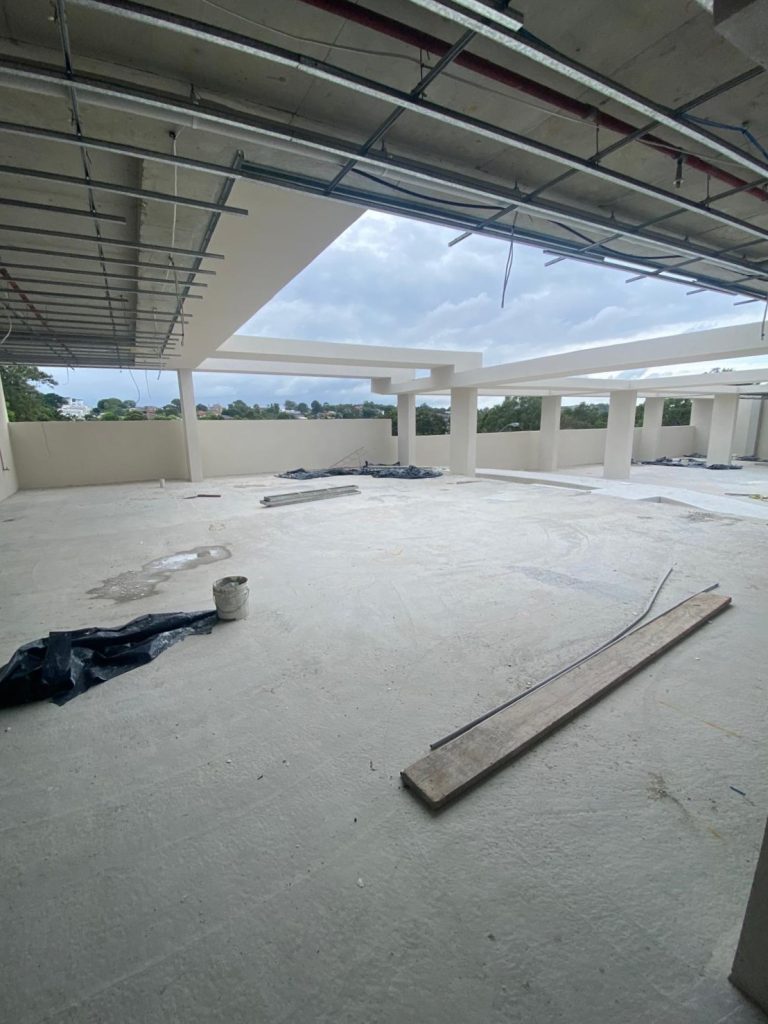
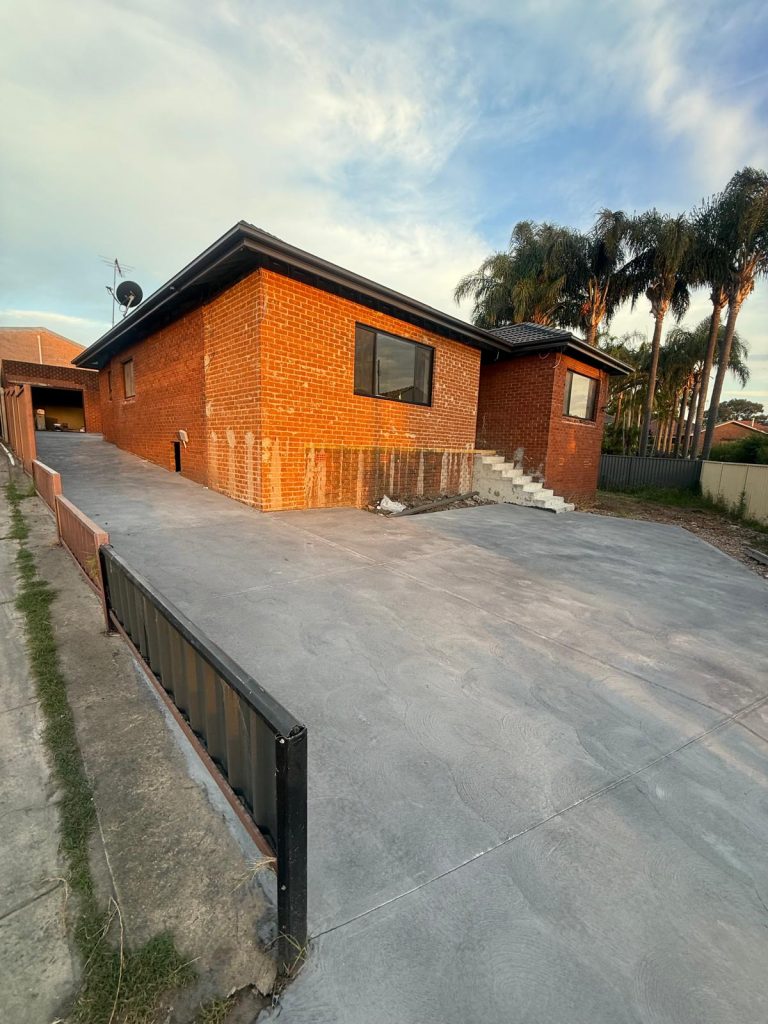
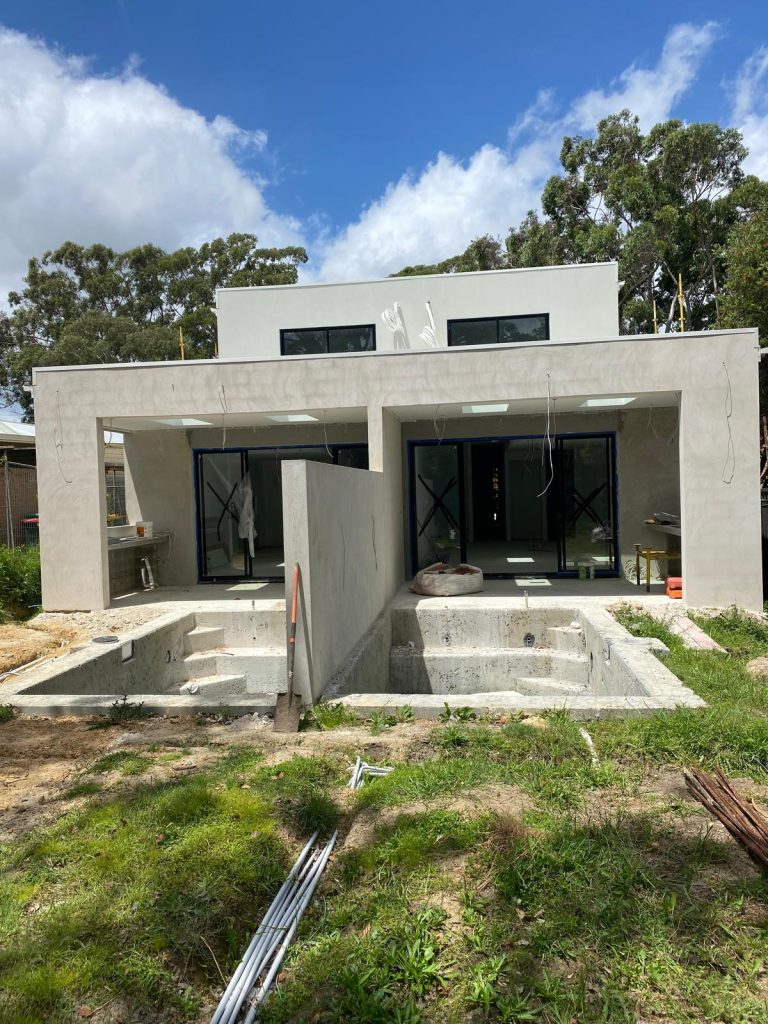
Sydney properties face real, ongoing challenges from weather, moisture, UV exposure, and the general passage of time. Rendering is how you protect your investment, improve your home’s performance, and make sure the first impression is the right one.
But the quality of the outcome comes down almost entirely to the quality of the tradesperson doing the work. Prep, mix ratios, application technique, curing — every step matters, and shortcuts show up eventually, usually at the worst possible time.
Whether you need a full exterior makeover on a tired brick home, a textured commercial facade, EPS rendering on a new development, or interior Gyprock plastering to complete a renovation — the right team makes all the difference.
Get in touch with Bill Cement Rendering for a proper, obligation-free assessment of your property. No guesswork, no vague phone estimates — just a qualified look at what your walls actually need and a straight quote to get it done.
Your walls have been patient long enough.
Bill Cement Rendering — Rendering specialists serving all of Sydney, 7 days a week. 📞 0431 320 320 | View our services | See our completed projects
Sydney Wide
0431 320 320
Bill Cement Rendering is a team of certified rendering artisans dedicated to pushing the boundaries of traditional rendering.