Address
Sydney Wide
Call for anything
You may send an email
Open 7 Days

By Bill Cement Rendering | Certified Rendering Experts | Serving All Sydney
Let’s be honest — most people don’t wake up on a Tuesday morning thinking about their external walls. But give it a hot Sydney summer, a cracking energy bill, and one look at your neighbour’s freshly rendered place down the street, and suddenly it’s all you can think about.
Foam cladding in Sydney has quietly become one of the most talked-about upgrades in the local building game — and for very good reason. Whether you’re a homeowner sick of watching dollars fly out through your poorly insulated walls, a developer trying to tick the energy efficiency box on a tight budget, or a commercial building owner who wants to stop looking like a leftover from 1987 — polystyrene cladding and professional rendering services might just be the thing you didn’t know you needed.
This guide breaks down everything: what foam cladding actually is, why Sydney’s climate makes it a no-brainer, how the process works from start to finish, and why who you hire matters more than most people realise.
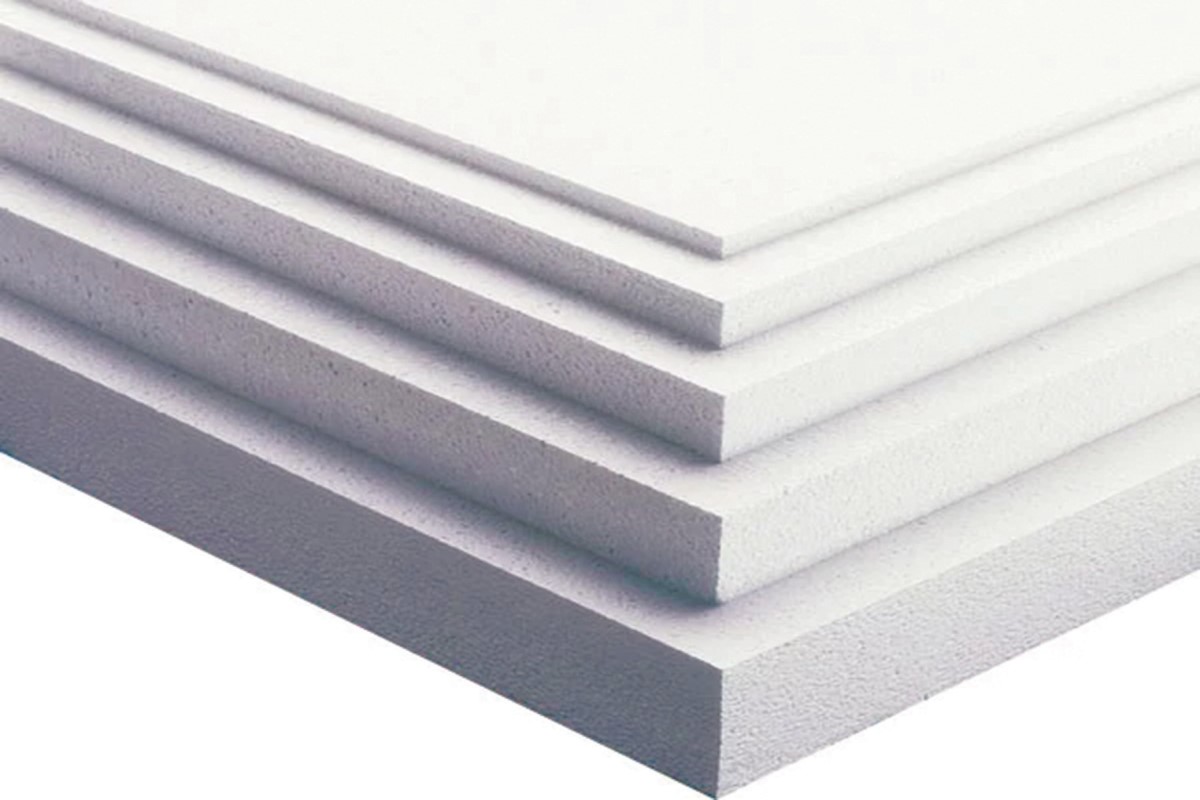
Let’s clear this up right away. When tradies and builders talk about foam cladding Sydney projects, they’re referring to EPS cladding — Expanded Polystyrene — or its cousin, XPS (Extruded Polystyrene). These are rigid foam boards that are fixed to the external walls of a building, then coated with a render system to create a smooth, durable, weather-resistant finish.
EPS cladding (the more popular of the two in Sydney) is made from millions of tiny polystyrene beads that are fused together under heat. The result is a lightweight, rigid panel that has surprisingly excellent insulating properties. Think of it as your wall wearing a really warm, weatherproof jacket — one that also happens to look brilliant after rendering.
XPS polystyrene, on the other hand, has a denser cell structure, which gives it slightly higher moisture resistance and insulation values — but comes at a higher price point. For most residential and commercial applications in Sydney, EPS remains the more cost-effective and widely used choice.
Both types are a far cry from the foam peanuts in your Amazon delivery. These panels are engineered, CodeMark-accredited (where applicable) building products that comply with Australian Building Code requirements.
Sydney’s climate is genuinely demanding on buildings. You get scorching western-suburb summers where temperatures hit the high 30s, salty coastal air in the east eating through anything not properly protected, and the kind of storms that make you question your guttering choices. Traditional double-brick construction handles this well, but it’s expensive, slow, and about as flexible as a very old accountant.
Lightweight cladding in Sydney has taken off for several compelling reasons:
Here’s what the process looks like when it’s done properly — because the job is only as good as the team behind it.
Step 1: Surface Preparation
Before any panel goes up, the existing wall surface needs to be assessed and prepared. Any loose material, contamination, or moisture issues must be addressed. Skipping this step is one of the most common reasons cladding systems fail down the track.
Step 2: Panel Adhesion and Mechanical Fixing
EPS panels are adhered to the substrate using a polymer-modified adhesive, then mechanically fixed with purpose-made fixings to ensure long-term stability. Panel thickness (typically 50mm or 100mm) is selected based on the insulation requirements and project specification.
Step 3: Base Coat Application with Fibreglass Mesh
A base coat render is applied over the panels, embedded with a fibreglass reinforcing mesh. This is the critical structural layer — it holds the render system together and provides impact resistance. Cut the corners here and you’ll be patching cracks within a few years.
Step 4: Finishing Render and Texture Coat
Once the base coat has cured, the finish render is applied. This is where the building’s final appearance is determined. Options include smooth acrylic finishes, textured coatings, and Granosite-style granular textures. An armour coat or weather-resistant topcoat is then applied for long-term protection against Sydney’s UV intensity and weather extremes.
The team at Bill Cement Rendering handles every step of this process — from initial inspection through to the final coat — so nothing falls through the cracks (literally or figuratively).
Here’s something a lot of people don’t realise: the cladding panel itself is just the substrate. What you actually see — the colour, texture, finish, and overall aesthetic — comes from the render system applied on top.
And this is exactly where the difference between a mediocre result and a stunning one lies. Professional rendering services in Sydney transform those white foam panels into a sleek, finished surface that can mimic almost any appearance — from smooth modern renders to traditional sand-finish textures.
For exterior rendering in Sydney, the render system needs to do more than just look good. It needs to:
When you look at the completed projects we’ve delivered across Sydney — from heritage-adjacent homes to contemporary commercial facades — you’ll see what quality exterior rendering actually looks like when it’s done right.
Not every tradie with a float and a bucket of render is equipped to handle EPS and polystyrene cladding systems properly. Here’s what separates the professionals from the problematic:
Experience with EPS-specific render systems. Regular cement render doesn’t bond properly to polystyrene. You need a contractor who uses the right polymer-modified or acrylic render products and understands the substrate.
Proper mesh embedding technique. The fibreglass reinforcing mesh layer is critical — if it’s applied carelessly, you end up with render that cracks and delaminate.
Knowledge of Australian building codes. Cladding products used in Australia need to meet relevant BCA requirements. A reputable contractor knows which products are compliant and how to specify them correctly.
A portfolio of real, finished work. Ask to see completed jobs. The proof is always in the pudding (or in this case, the render coat).
The full range of cladding and rendering services offered by Bill Cement Rendering covers panels cladding installation, polystyrene rendering, cement rendering, acrylic rendering, and specialist texture finishes — all under one roof, all backed by years of Sydney-wide experience.
One of the things that separates experienced rendering contractors from weekend warriors is understanding that different building types have very different requirements.
Residential Rendering Sydney
For homes, the priority is typically aesthetics combined with thermal performance. Homeowners want their place to look incredible from the street, stay comfortable inside, and add value when it comes time to sell. Residential rendering in Sydney using polystyrene foam panels delivers on all three counts. Our residential rendering service covers everything from single-storey knockabouts to full double-storey transformations.
Commercial Rendering Sydney
Commercial properties have a different set of demands. First impressions drive business outcomes — a tired, cracking facade tells potential customers something’s not quite right before they’ve even walked through the door. Speed matters too; a commercial building can’t be out of operation for extended periods. Our commercial rendering work is planned to minimise disruption while delivering professional-grade results. From shopfronts to office buildings to retail strips, polystyrene panel cladding and a quality exterior render can transform a commercial property dramatically.
Industrial Rendering Sydney
For warehouses, manufacturing facilities, and large industrial buildings, industrial rendering in Sydney using lightweight cladding systems offers practical advantages beyond appearance. The thermal insulation properties reduce the energy required to heat and cool large spaces. The durable render systems resist the kind of impact and abrasion that industrial environments dish out. And the lightweight nature of EPS panels makes installation on large-span structures significantly more practical than masonry alternatives.
EPS vs. Traditional Construction: The Numbers Worth Knowing
Let’s put a few numbers on the table, because this is where polystyrene cladding stops being just a trend and starts being a genuinely smart building decision.
Insulation Performance: Double brick achieves roughly R1.0 thermal resistance on its own. A 100mm EPS panel system can achieve R3.4 or better — more than triple, without the structural load or cost of additional masonry.
Weight: EPS cladding panels weigh approximately 0.3–0.5 kg per square metre depending on density. Compare that to brickwork at roughly 200 kg per square metre and the structural engineering implications become obvious.
Energy Savings: Properties with properly installed foam cladding and rendered wall systems in Sydney’s climate can expect meaningful reductions in heating and cooling energy use — figures of 20–40% improvement in thermal performance are regularly cited by energy assessors evaluating EPS wall systems.
Build Speed: For a medium-sized residential facade, EPS cladding installation and rendering is typically completed in days rather than weeks.
From the Inner West to the Northern Beaches, the Hills District to the Sutherland Shire — rendering services in Sydney are needed right across the metro area. Sydney’s housing stock is as diverse as its suburbs: federation homes, 1970s brick veneers, modern architectural builds, high-rise developments, commercial precincts. Polystyrene foam panel cladding and quality exterior rendering works beautifully across all of them.
Whether it’s a heritage-adjacent terrace in Newtown that needs a sensitive, understated finish, or a new apartment complex in Parramatta that needs fast, high-volume cladding installation — the approach, materials, and skill required vary significantly. That’s why local, experienced contractors matter more than just picking whoever’s cheapest on the next flyer that arrives in your letterbox.
Can you paint polystyrene cladding? Once rendered, absolutely. The render coat itself can be tinted to any colour, and once cured, painted with quality acrylic exterior paint. The render system is the paintable surface — not the EPS panel beneath it.
How long does rendered EPS cladding last? A properly installed and maintained rendered polystyrene cladding system should last 25–40 years in Sydney conditions. Quality render products, correct installation, and periodic repainting are the keys to longevity.
Is foam cladding fire-safe? This is the question on everyone’s mind since the Grenfell Tower tragedy put cladding safety in the spotlight. It’s a legitimate concern. In Australia, the BCA sets out requirements for external wall cladding fire performance. EPS used in compliant, CodeMark-accredited wall systems — correctly installed with render coatings — meets Australian fire performance requirements for most building types. Always ensure your contractor is using compliant products and can provide documentation.
Is polystyrene cladding suitable for coastal Sydney properties? Yes — and in fact, the moisture resistance of EPS combined with a quality acrylic render makes it well-suited to salty, humid coastal environments where traditional render on brick can suffer.
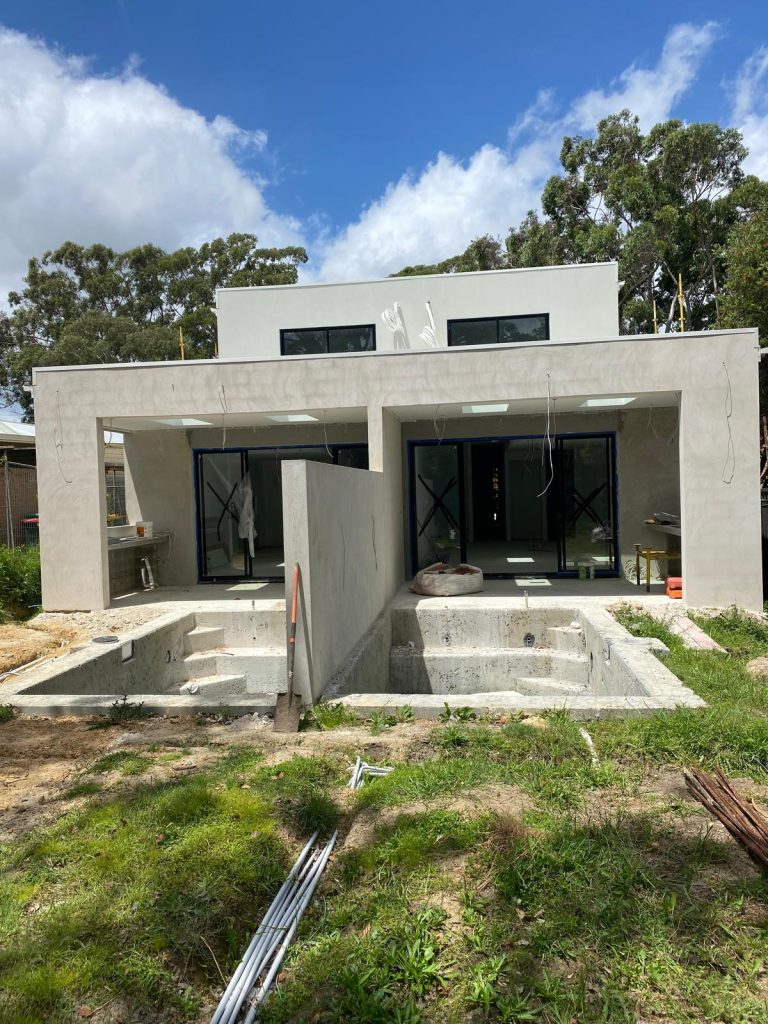
Whether you’ve been planning a full exterior renovation, looking to improve your building’s energy performance, or you’ve just realised your commercial property’s facade is quietly sending the wrong message to every potential customer who drives past — foam cladding and professional rendering in Sydney could be exactly what’s needed.
The panels cladding installation service at Bill Cement Rendering combines experienced tradies, quality materials, and the kind of attention to detail that actually makes a difference to the finished result. We work across residential, commercial, and industrial properties right across the Sydney metro area — and we’ll give you a free, no-obligation quote before any work begins.
Give us a call on 0431 320 320 or fill out the quote form and we’ll be in touch faster than you can say “render that wall.”
Bill Cement Rendering — Sydney-wide rendering and cladding services, 7 days a week. Get a free quote today.
Sydney Wide
0431 320 320
Bill Cement Rendering is a team of certified rendering artisans dedicated to pushing the boundaries of traditional rendering.